
Home Equity Line of Credit (HELOC)
Your Home Equity. Ready When You Need It. You may not need the money today—but having access to it could give you more options tomorrow.
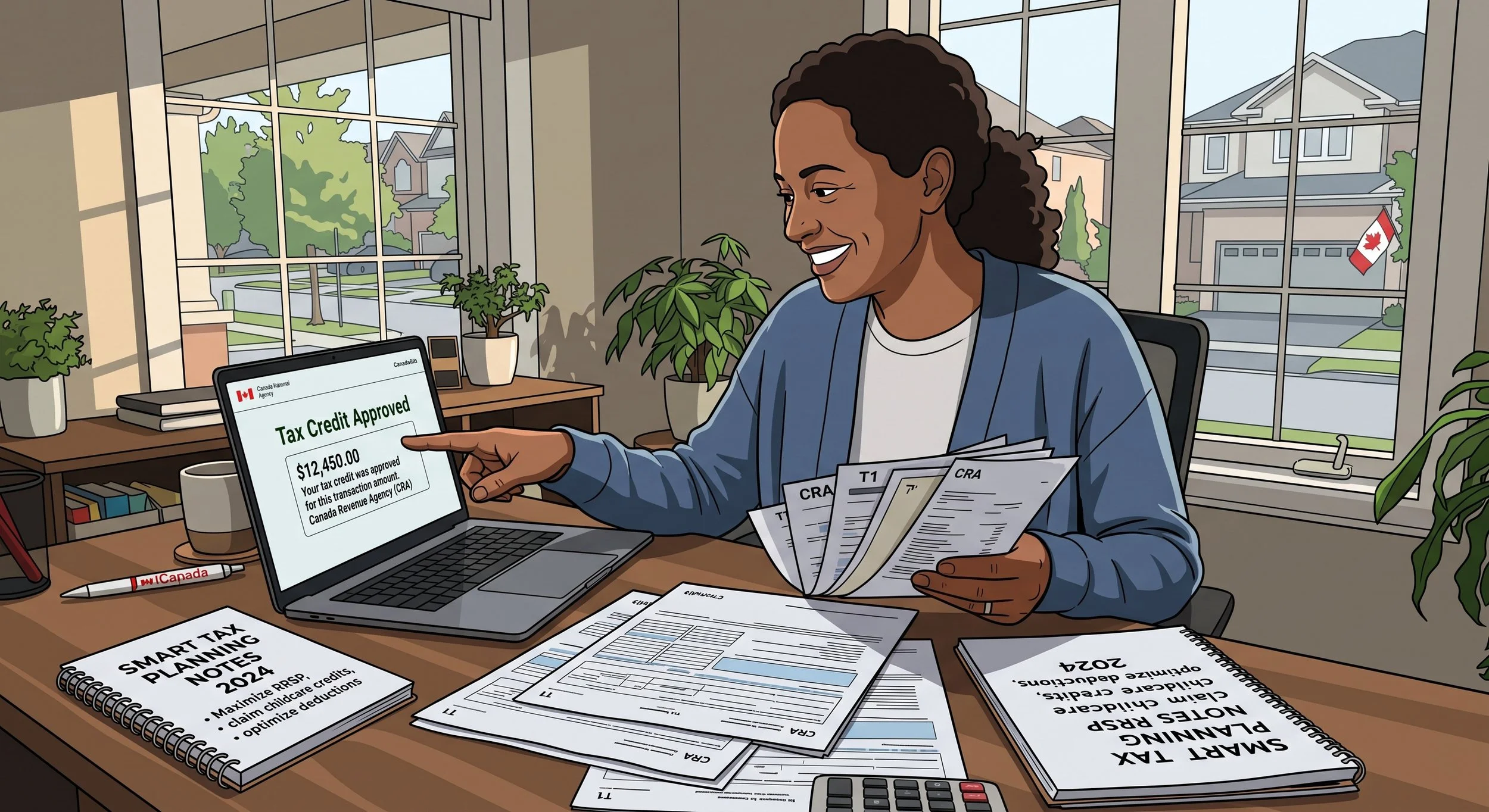
Your Home Equity. Ready When You Need It.
A Home Equity Line of Credit (HELOC) gives you flexible access to your home’s equity—allowing you to borrow when needed and generally only pay interest on the amount you use.
The best time to consider a HELOC is often during your mortgage renewal or refinance, when we’re already reviewing your mortgage, home value, and available equity.
You may not need the money today—but having access to it could give you more options tomorrow.
A Strategy That Can Grow With You
Some lenders offer readvanceable mortgage products, which combine your mortgage and line of credit.
As you pay down your mortgage, additional borrowing room may become available within the product and lending limits.
Over time, this can potentially create significant financial flexibility.
Imagine continuing to pay down your mortgage over the years while your available access to home equity grows.
Eventually, you could have a substantially reduced—or even fully paid-off—mortgage while still having access to a significant portion of your home’s available equity through a line of credit.
You don’t have to use it. But it can be available when the right opportunity or need arises.
More Than Just a Line of Credit
A HELOC can provide flexibility for:
Home renovations
Children’s education, activities, or private school
Major expenses
Debt consolidation
Emergency expenses
Business opportunities
Investment opportunities
The goal isn’t to borrow unnecessarily. It’s to have access to capital before you need it.
Could Your Borrowing Be More Tax-Efficient?
In Canada, interest on money borrowed to purchase your principal residence is generally not tax-deductible.
However, the use of the borrowed money matters.
If funds borrowed through a HELOC are used for an eligible income-producing purpose—such as certain business or investment activities—the interest may potentially be tax-deductible, depending on the circumstances.
This can create opportunities to structure borrowing more strategically.
Proper tracing and record-keeping are important, and tax rules can be complex. Always speak with a qualified tax professional before implementing a tax strategy.

Let’s Look Beyond Your Interest Rate
When your mortgage is coming up for renewal—or you’re considering refinancing—we’ll look at more than just your new rate.
We’ll help you determine whether:
A HELOC makes sense for your future plans
You should access equity now or simply create access for later
A readvanceable mortgage product could benefit you
Your borrowing can be structured to provide greater financial flexibility
Your mortgage should support your financial goals—not just provide a place to live.

Frequently Asked Questions
-
No. You can establish a HELOC and choose not to use it.
One of its biggest benefits is having access to available credit before an opportunity or unexpected expense arises.
-
A mortgage renewal or refinance can be an excellent time to explore your options because we’re already reviewing your mortgage, home value, equity, and future plans.
It’s often better to explore your options before you urgently need the money.
-
Depending on your situation, a HELOC may be used for renovations, education expenses, children’s activities, private school, debt consolidation, major purchases, emergencies, business opportunities, or investments.
The important question isn’t just whether you can borrow—but whether borrowing makes sense for your financial goals.
-
A readvanceable mortgage combines a mortgage with a line of credit.
As your mortgage is paid down, additional borrowing room may become available within the product’s structure and applicable lending limits.
This can provide increasing access to home equity over time without necessarily having to refinance your mortgage again.
-
Potentially—but it depends on how the borrowed money is used.
Interest on money borrowed for personal purposes is generally not deductible. However, interest on borrowed funds used for an eligible income-producing purpose, such as certain business or investment activities, may potentially qualify for a deduction.
Proper tracing of the borrowed funds is important.
Always speak with a qualified tax professional regarding your specific situation.
-
Potentially, yes. Some homeowners use home equity as part of an investment strategy.
However, borrowing to invest involves risk. You should consider your borrowing costs, cash flow, investment risk, and potential tax implications before making a decision.
-
Not every homeowner needs one.
But during your renewal or refinance, it’s worth asking the question:
“Should I simply renew my mortgage—or should I structure it to give me more flexibility for the future?”
We’ll help you explore your options and determine what makes sense for your goals.
Let’s Review Your Options
Whether you’re renewing, refinancing, or simply planning ahead, we’ll help you understand how your home equity can become part of your overall financial strategy.
No unnecessary borrowing. No one-size-fits-all solutions. Just advice built around your goals.
-
Not necessarily.
Mortgage features, penalties, flexibility, portability, and your future plans can all matter.
The right mortgage should fit both your financial situation and your goals.